Maintenance
The Benefits Of Garage Door Maintenance
- Fewer Emergency Breakdowns
- A Quieter, Better Balanced Door
- Lower Energy Loss Through Seals
- Longer Spring, Cable And Opener Life
Garage Door Maintenance In Miami Beach
Why The Door You Never Think About Needs A Schedule
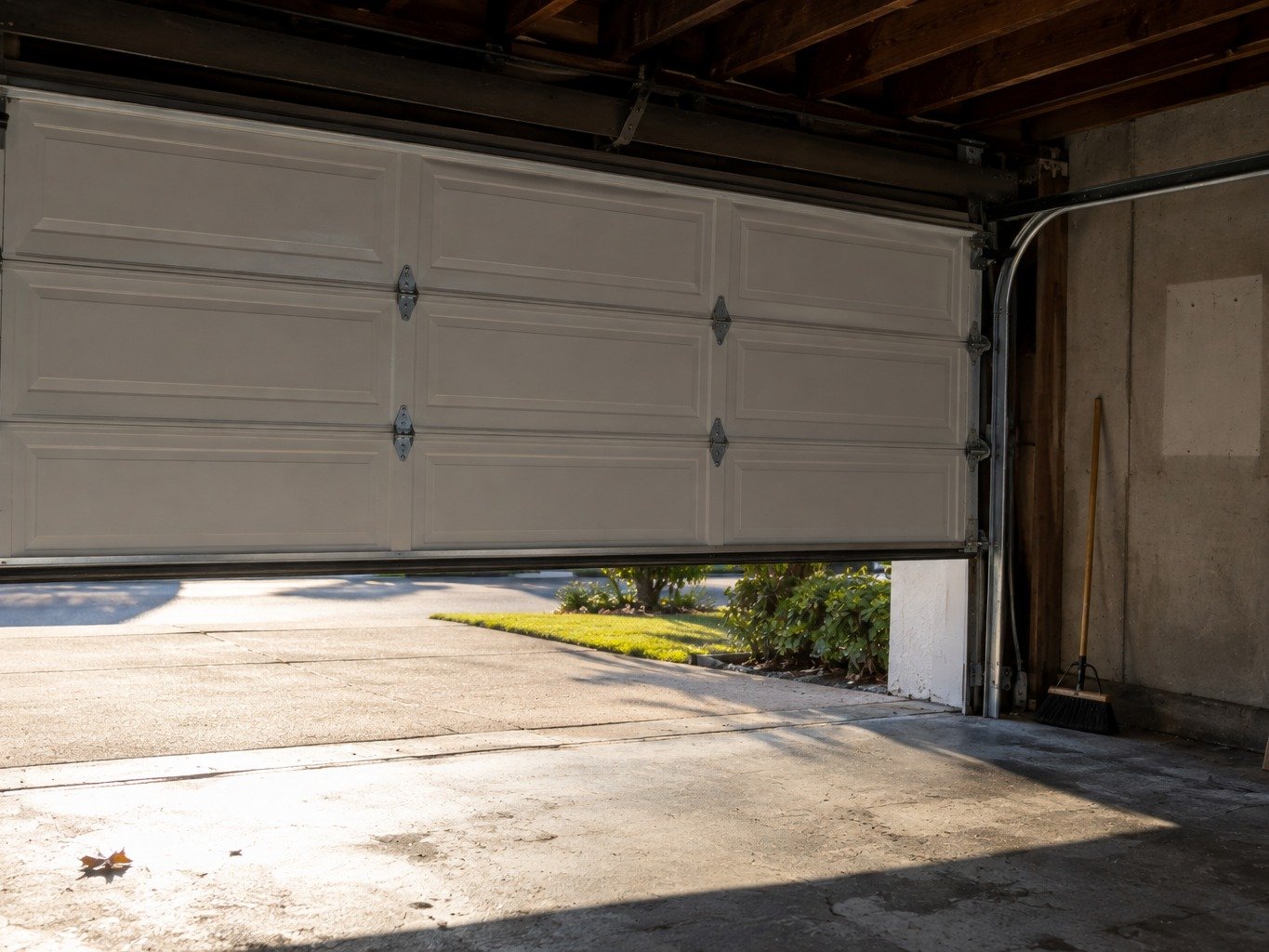
Most garage door failures are not sudden. A spring about to break, a cable fraying inside the drum, a roller flattening on one side: each of those gives weeks of warning through noise, vibration, slower travel or a door that no longer holds position halfway up. Maintenance exists to read those warnings on a planned visit at a predictable price, rather than discovering them on the morning the door will not open and the car is stuck inside.
That is the short version of the case for a maintenance schedule. The longer version breaks down into three parts, and each one is worth understanding before you decide how often to have your own door looked at: what maintenance does for the springs and cables that carry the door's weight, what it does for the opener and the seal around the opening, and how living a block from the Atlantic changes the interval you should be working to.
Springs And Cables
How Maintenance Prevents Spring And Cable Failure
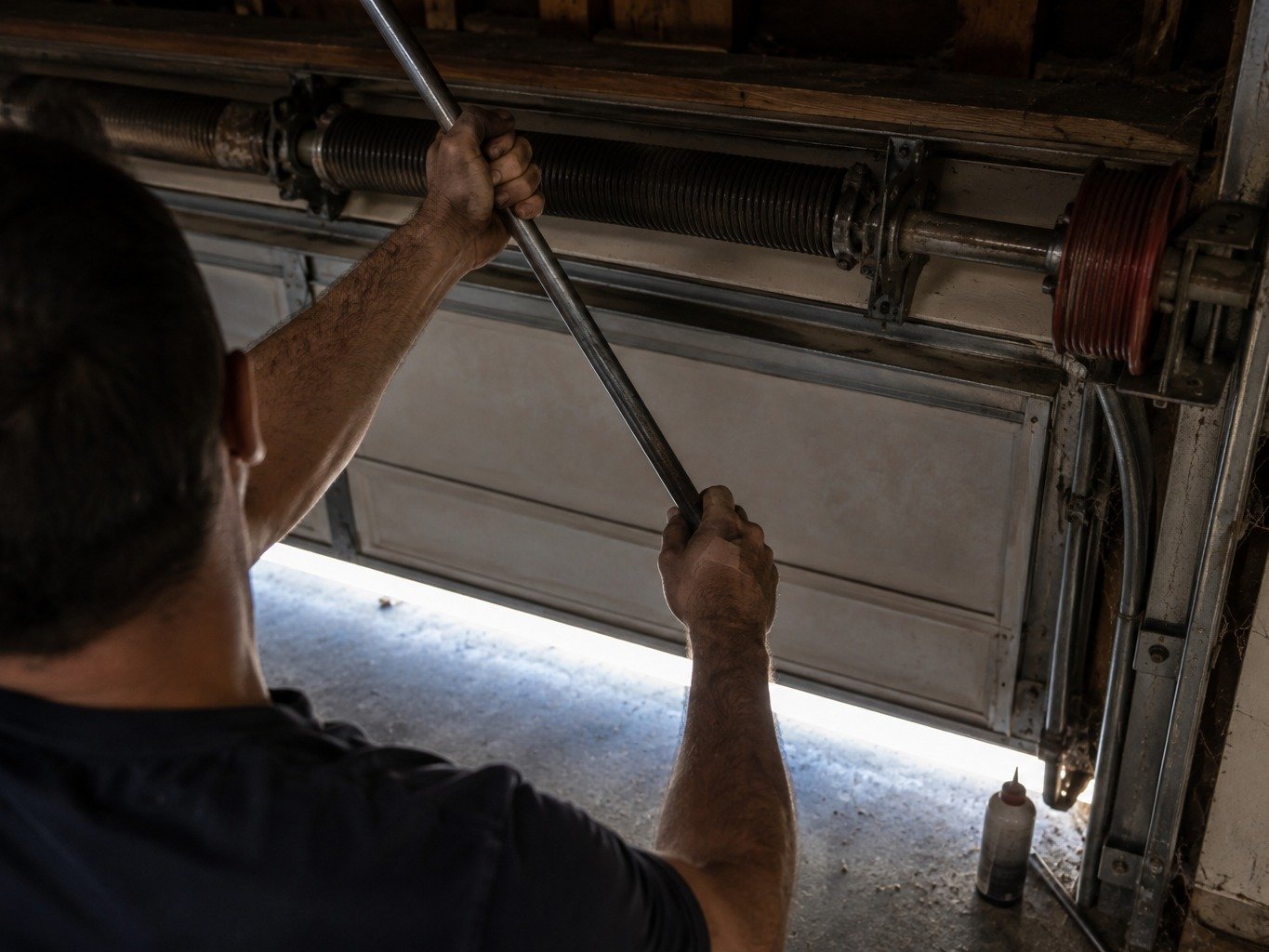
A torsion spring is wound to a specific number of turns calculated from the weight of the door it lifts. When that balance is right, the springs carry the door and the opener only has to start and stop it. When it drifts, the operator ends up lifting part of the door's weight on every single cycle, which is why unbalanced doors strip drive gears, burn out capacitors and destroy springs years early.
Balance is not something you can judge by hand from the driveway. The technician disconnects the door from the opener and tests it in the halfway position, where a door in balance will hold itself and a door out of balance will drift up or fall. That test is a direct measurement of the load the springs and cables are carrying, and correcting what it reveals costs nothing beyond a turn of the winding bars on a scheduled visit.
Cables are the quieter problem. Strands break individually before a cable fails completely, and they break inside the drum where nobody can see them, so the first sign is usually the loud bang of a door dropping on one side. A maintenance visit also checks the drums for wear, the cable for broken strands, the bottom bracket for movement, and the fasteners that hold all of it in place. Those checks are the difference between replacing a cable on your schedule and replacing a car's worth of dents on ours.
Opener And Envelope
How Maintenance Protects The Opener And Reduces Energy Loss
The opener is the component most often blamed for a fault it did not cause. A door that reverses for no reason, stops halfway or will not respond is usually reporting a door that has become heavy or a travel limit that has drifted, not a failed motor. Servicing the door relieves that strain, and checking the force and travel-limit settings afterwards means the operator is not compensating for a door that is out of balance.
Photo-eye alignment and the safety reverse force test form the other half of the picture, and they are the checks that keep people safe rather than merely convenient. We test the reversal with an obstruction in the door's path, verify that the photo-eyes are aligned and unobstructed, and confirm that a door striking an object stops and returns instead of pressing down on it.
Then there is the envelope around the door. A bottom rubber that has hardened, torn or pulled out of its channel lets hot, humid Miami air into the garage all day, and the weather stripping at the jambs does the same once it has perished. Checking and replacing a worn seal is one of the cheapest repairs we carry out, and it lowers the load on any air conditioning or dehumidifier serving the garage.
Coastal Conditions
How Salt Air In Miami Beach Changes The Maintenance Interval
Inland, a residential door can often run on one service a year and be perfectly sound. On the Collins Avenue corridor and across the barrier islands, salt-laden air changes the calculation. Airborne salt settles on the coils of the springs, the bearing surfaces inside the rollers and the knuckles of the hinges, and it holds moisture against bare metal, so corrosion starts sooner and progresses further than the cycle rating of those parts would ever suggest.
The practical effect is that lubrication does not simply wear away here, it is displaced by corrosion, and the metal underneath is already pitted by the time a component starts to feel rough. Two visits a year let us clean and re-grease those surfaces before that happens, and let us measure wear twice as often, so track alignment, spring tension and roller condition are corrected while they are still adjustments rather than repairs.
It also affects what we recommend fitting in the first place. For a door within a few blocks of the ocean we favour sealed bearings, corrosion-resistant hardware and finishes that tolerate salt, and we stock the parts that fail most often in this climate so the majority of repairs are completed on the first visit. That local knowledge is the reason a twice-yearly schedule is the default recommendation for Miami Beach addresses rather than the exception.
The Benefits At A Glance
Failures Get Caught Before They Strand You
A spring about to break, a cable fraying strand by strand and a roller seizing in its track all give weeks of warning. A scheduled visit reads those warnings and turns a morning with a car trapped inside into a routine adjustment.
The Door Runs Quieter And Stays Balanced
Lubrication, fastener torque and a proper balance test with the door disconnected from the opener remove the shudder, the squeal and the strain that wears every other component faster than it should.
The Opener And The Envelope Both Last Longer
An unbalanced door makes the operator lift part of its weight on every cycle, and a torn bottom seal lets heat and humidity straight into the garage. Both are corrected on the same visit, and both cost real money when ignored.
Working With Us Is Easy As 1-2-3
Get A Fast Quote
Call or send the short online form. Describe the noise, the sticking point or the damage and we will quote you honestly, with no obligation.
Set A Schedule
Choose a date and time that suits you. We offer same-day slots for emergencies and flexible windows for planned work.
Sit-back & Relax
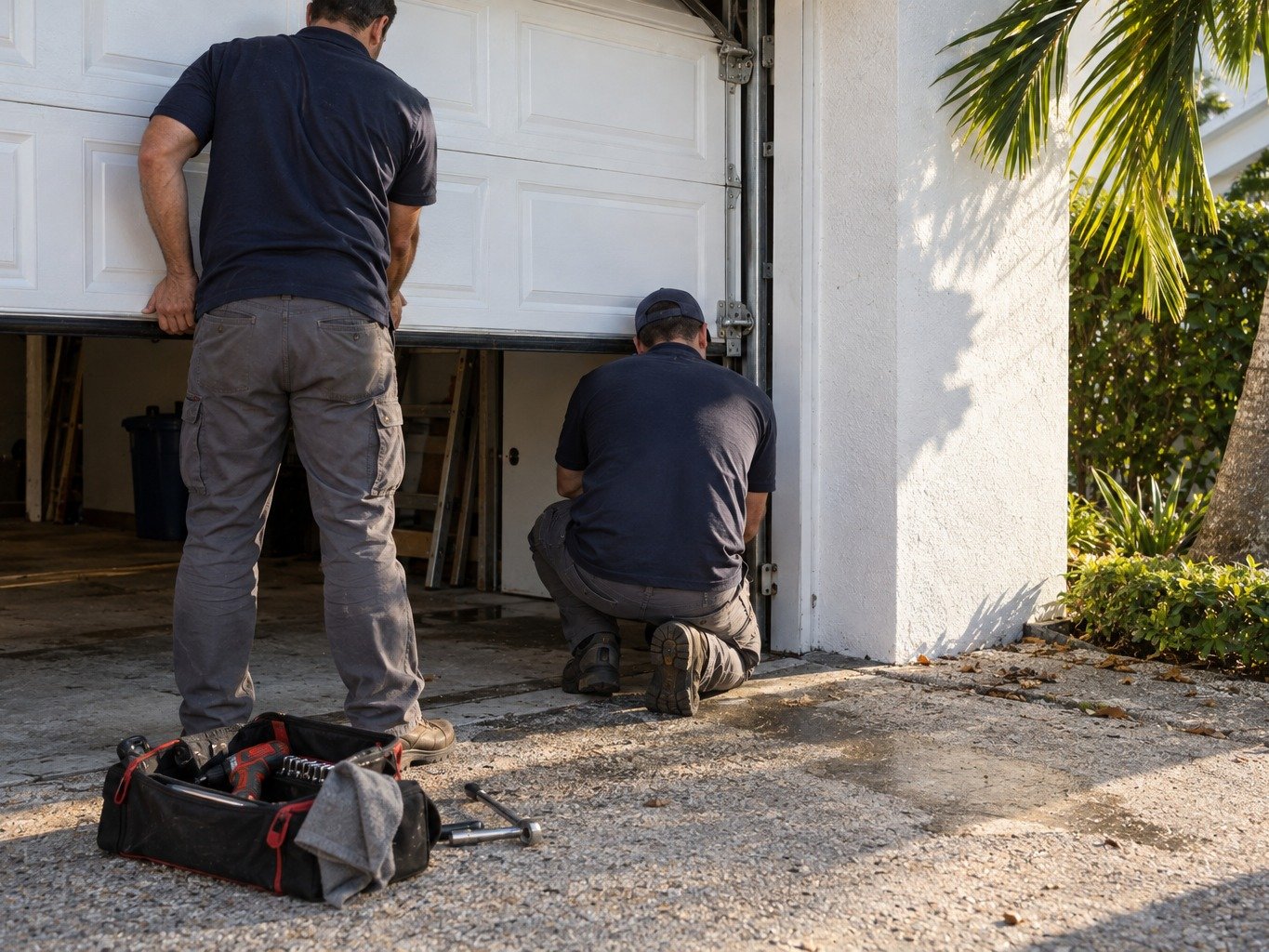
Our technician arrives on time with the parts needed, completes the repair, tests the door and walks you through the result.
Garage Door Maintenance Questions
Once a year is the minimum for a residential door, and twice a year is better if the garage is your main entrance or the door cycles more than four times a day. A door that is opened and closed on every school run, dog walk and grocery trip accumulates cycles far faster than one used twice a week, and cycle count is what ultimately wears springs and rollers out.
Coastal properties need the shorter interval regardless of how often the door moves. Salt-laden air and high humidity attack the bearing surfaces and the spring coils directly, so a door a block from the ocean is losing life even on the days it is not being used. If you are unsure which schedule suits your address, tell us where you are and how the door is used and we will give you a straight answer.