A damaged garage door usually announces itself one section at a time. A dent from a backed-in car, a rusted seam along the bottom, a section that has started to bow. The question homeowners ask first is almost always the same: can this be fixed, or am I buying a door? The honest answer is that it depends on which section is damaged, how the door is built, and whether the rest of the assembly is still sound. What follows is how a technician sorts those cases out, so you can make the call with a clear picture instead of a sales pitch.
Start by identifying what kind of door you have
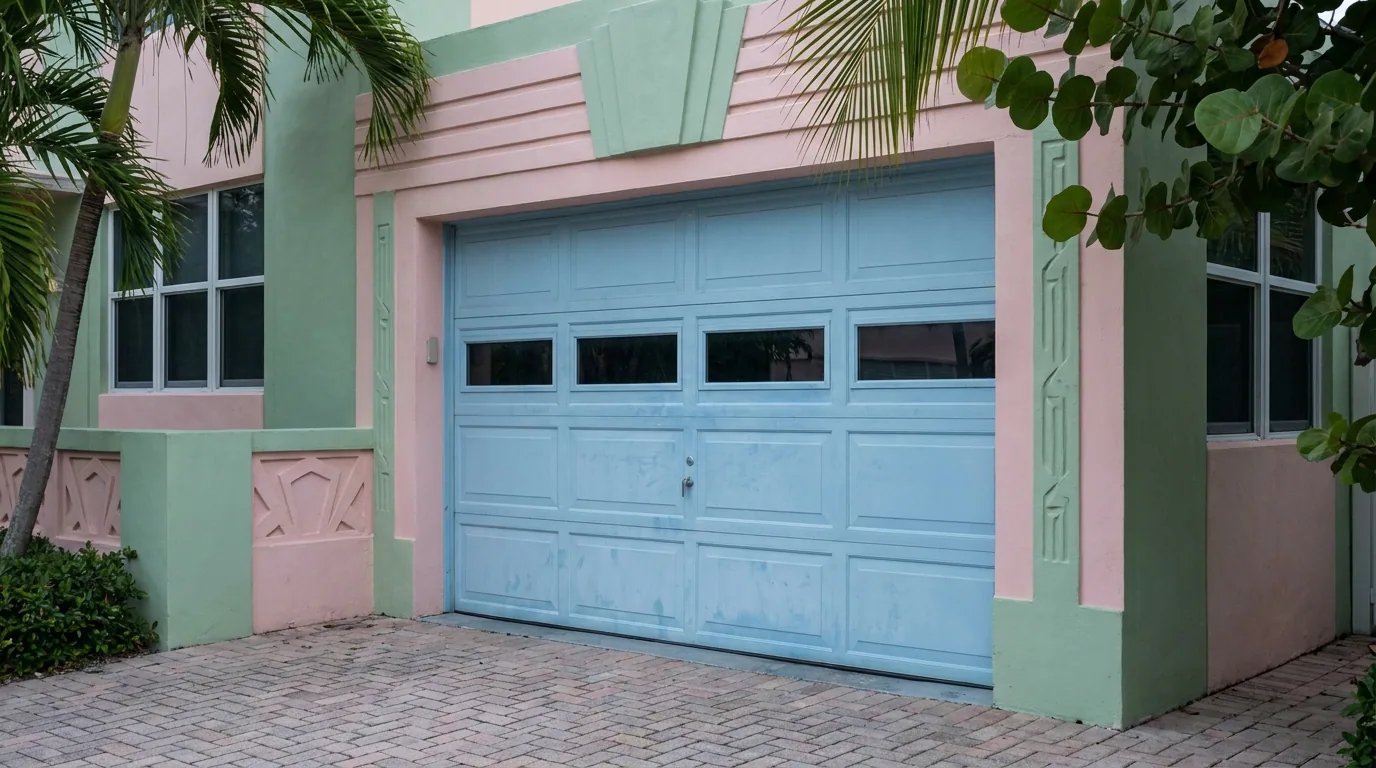
Panel replacement only works cleanly when the door is a sectional model and a matching section can still be obtained. Most residential doors are sectional steel, and the panels are separate pieces joined by hinges, so a single damaged section can often be ordered and swapped without touching the rest of the door.
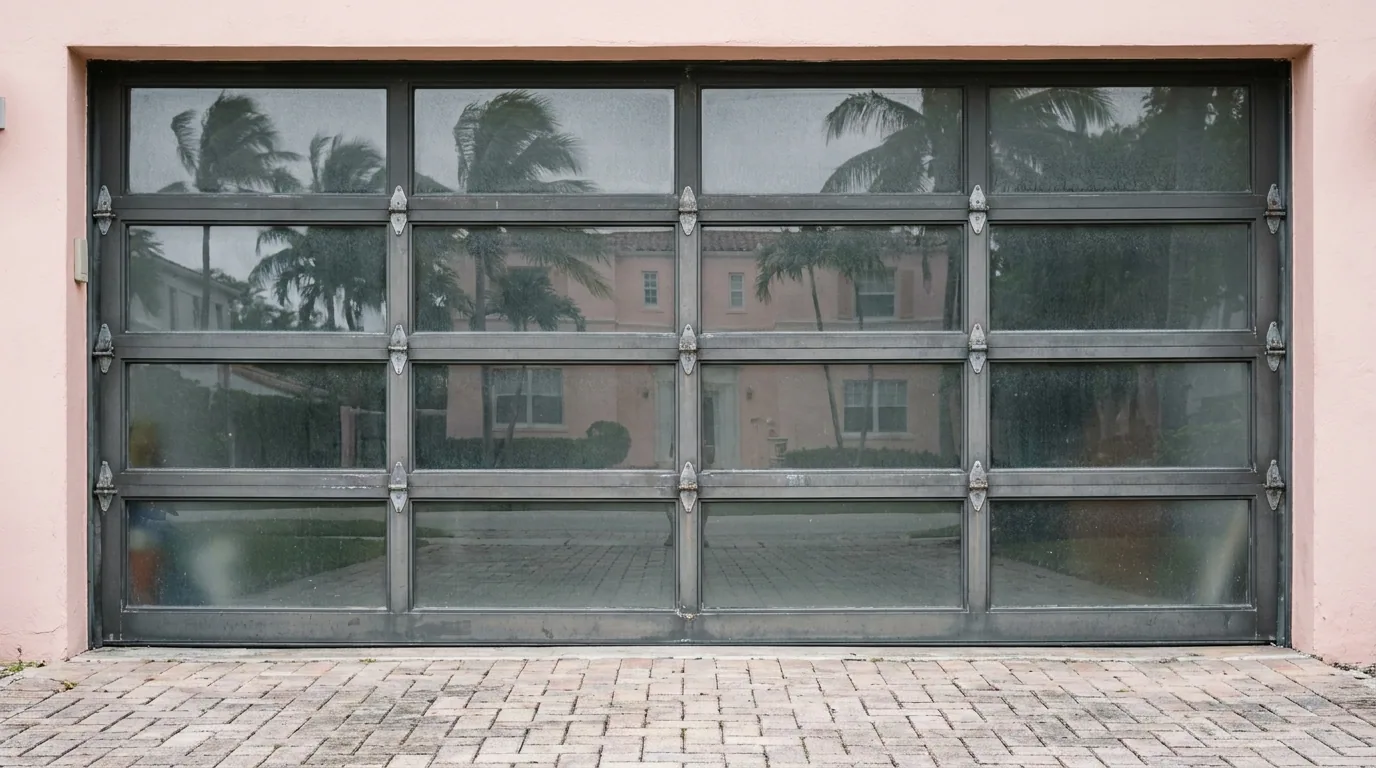
Other door types change the math. A one-piece tilt-up door has no separate panels to replace, so damage to the face becomes a repair-or-replace decision for the whole door. Older wood doors can sometimes be patched and repainted, though matching a weathered finish across a new section is difficult. A door whose manufacturer is gone, or whose profile has been discontinued, may have no matching panel available at all.
Before anything else, find the sticker or stamp on the inside of the door with the model information, and note whether the sections are steel, aluminum, or wood. That label is what makes a panel order possible.
When replacing the damaged panel is the right call
Panel replacement makes sense when the damage is confined to the skin of one section and the door's structure and hardware are sound. Typical cases:
- A single dent or crease from a minor impact, with the section still sitting square in its hinges.
- Cosmetic damage on a door that otherwise runs smoothly and sits level.
- Surface rust on one section where the rest of the door is clean.
The technician will check more than the dent. A section hit hard enough to dent often has a bent hinge or a roller knocked out of line, and those get addressed at the same time. Salt air in coastal Miami-Dade is hard on steel hardware, and the bottom section of a door takes the worst of what blows in, so corrosion there is worth raising when you call.
When repair beats replacement
Not every panel problem is a panel problem. A door that looks crooked, binds partway through a cycle, or leaves a gap along the top is often a hardware or alignment issue rather than damaged steel. Hinges loosen, rollers wear, and tracks shift. Those are repair jobs, and a new panel would not fix them.
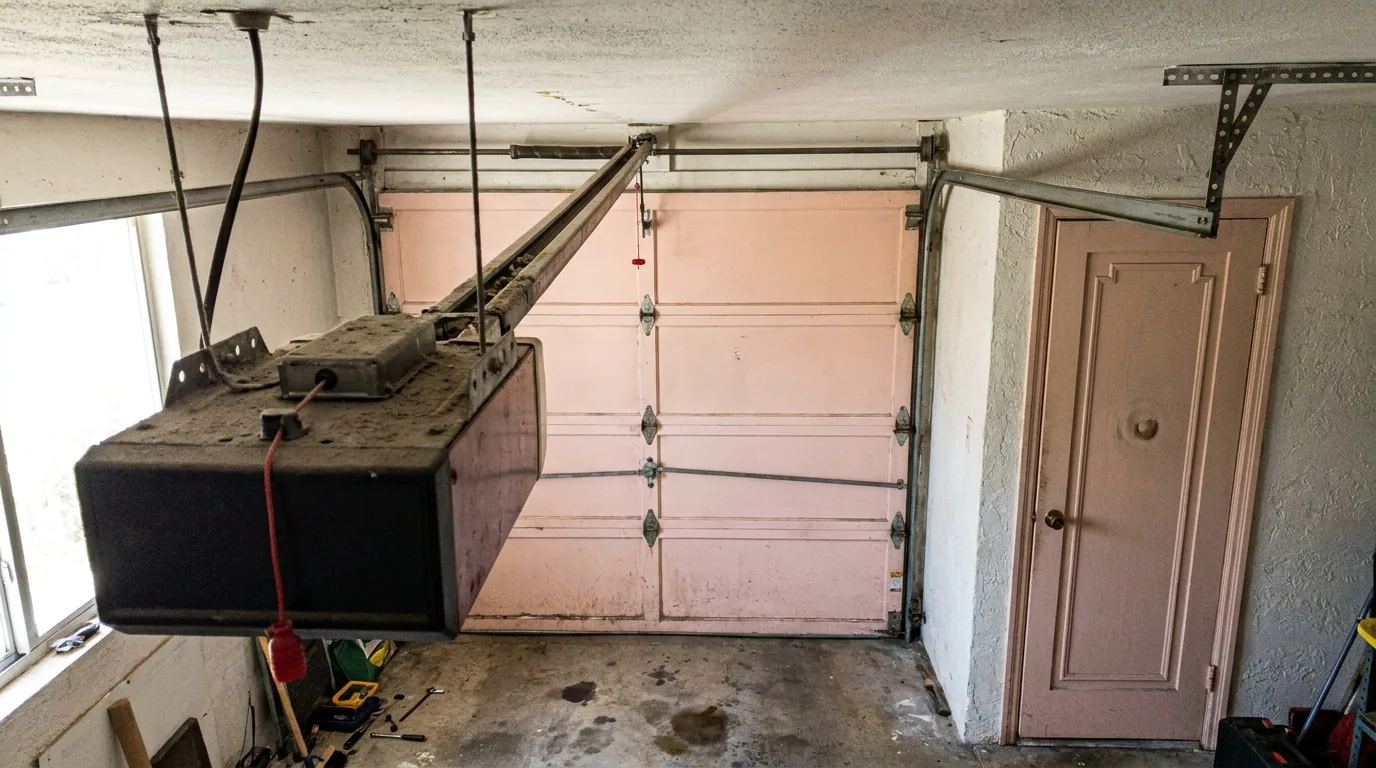
It is also worth separating the door from the opener. If the door feels heavier to lift than it used to, or the motor strains at the start of a cycle, the cause may sit in the springs or the opener's drive rather than the panels. A technician inspects the springs and cables as part of any assessment; those components are under heavy load and are never something a homeowner should handle. Describe what you have noticed — the door feeling heavier, a new noise at the start of a cycle, a section sitting visibly out of line — and it changes what the technician looks at first.
When the whole door is the better answer
Full replacement becomes the sensible option in a few recognizable situations. Damage across several sections, especially from a vehicle or a storm, is usually resolved more cleanly with a new door than with piecemeal panel work. A door with widespread rust — corroded seams, pitted steel, hardware that keeps failing — is telling you the metal is near the end of its life, and swapping one panel just moves the problem to the next section.
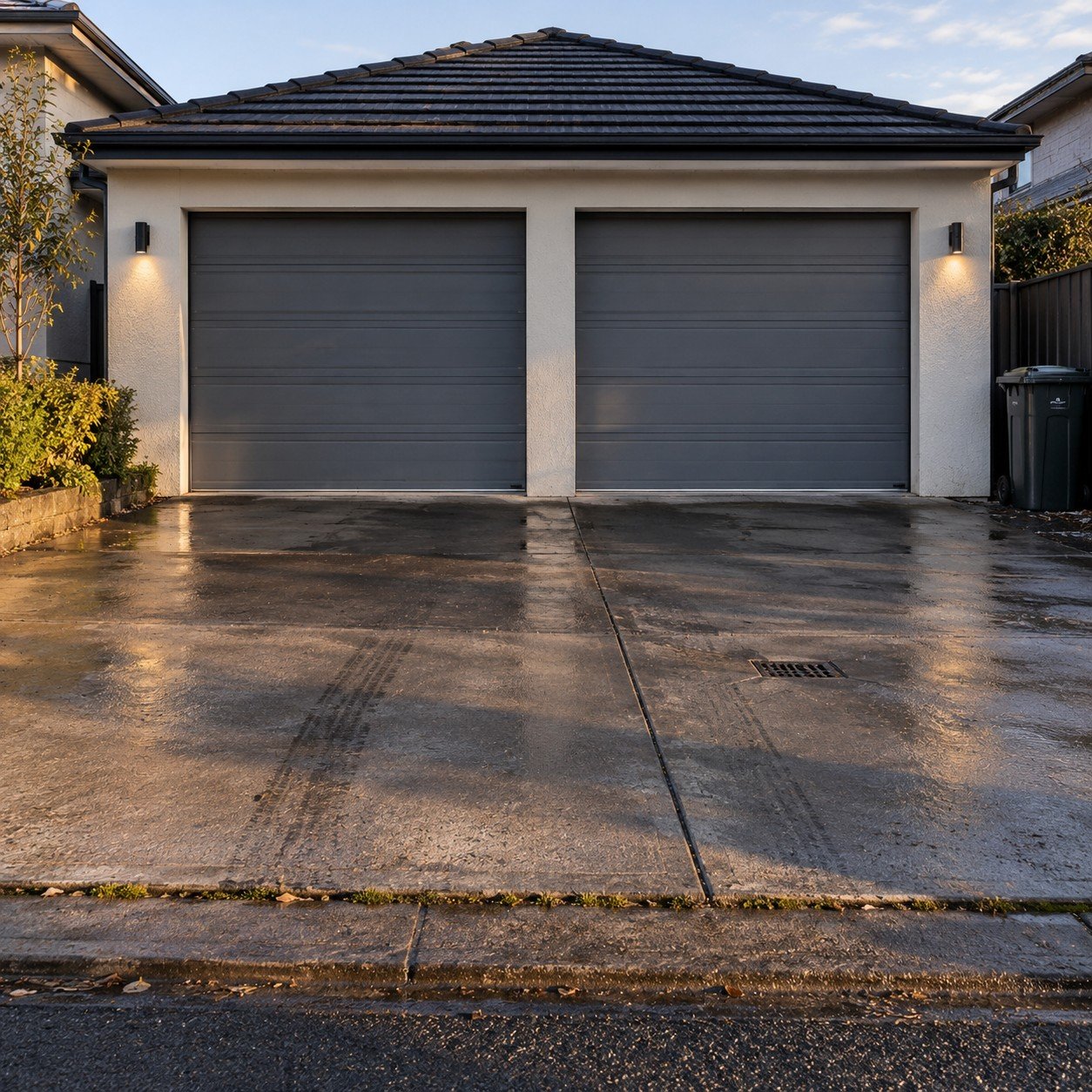
Age and parts availability matter too. A door old enough that sections can no longer be ordered leaves replacement as the only path. Door construction and the opening itself also come into it: an attached townhouse garage with low headroom limits what can be installed, and the technician will measure the opening and the available space above the door before recommending anything.
What to have ready before you call
A short, specific description saves time. Note which section is damaged and how — dent, rust, crack, or bow. Say whether the door still runs level and whether it feels heavier than it used to. Mention the door's material and, if you can find it, the model information from the label inside. If the garage is attached and headroom is tight, say so, because it affects what can be installed.
For panel work, replacement, or a straight answer about which one your door needs, call 911 Garage Door Repair & Service of Collins Miami at (786) 709-9487 or email info@911garagedoorrepairmiami.com. The company is licensed and insured and serves Miami-Dade County, including Miami Beach, South Beach, North Beach, Surfside, Bal Harbour, Bay Harbor Islands, Sunny Isles Beach, Golden Beach, Aventura, North Miami Beach, North Miami, Miami Shores, Brickell, Downtown Miami, Hallandale Beach, and Hollywood. Regular hours are Monday through Saturday, 7:00 AM to 8:00 PM, with Sunday emergency service only and 24/7 emergency dispatch.