A garage door opener has to match more than the width of the door. It has to match the space above the door, the way the door travels, and the structure it mounts to. In a low-headroom garage, that space is tight, and the wrong opener will either refuse to fit or will force the door into a travel pattern it was never designed for. This article explains what low headroom means in practice, why it limits opener choices, and what you can check from outside the door before you order anything.
What low headroom actually means
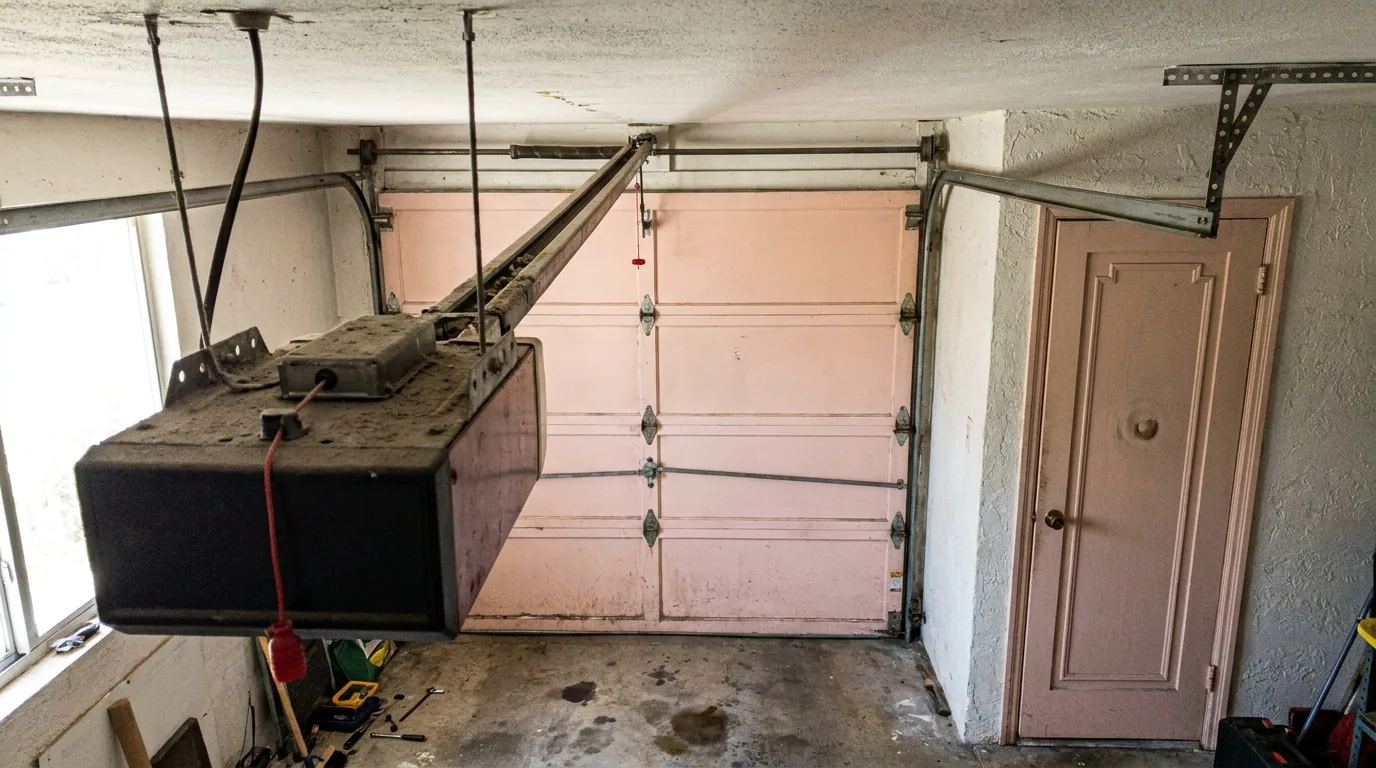
Headroom is the clear space between the highest point the door reaches and the ceiling or the lowest obstruction above it. In a standard garage, that distance is generous enough for the door to sit fully open and for an opener to mount above the door in the usual way. In a low-headroom garage, the ceiling sits closer to the door, so the door cannot sit fully open in the same position. The door may need a different track configuration, such as a low-headroom track, or it may be a one-piece tilt-up door that swings rather than rolls up. Either way, the space above the door is not the same as in a standard installation, and that changes what an opener can do.
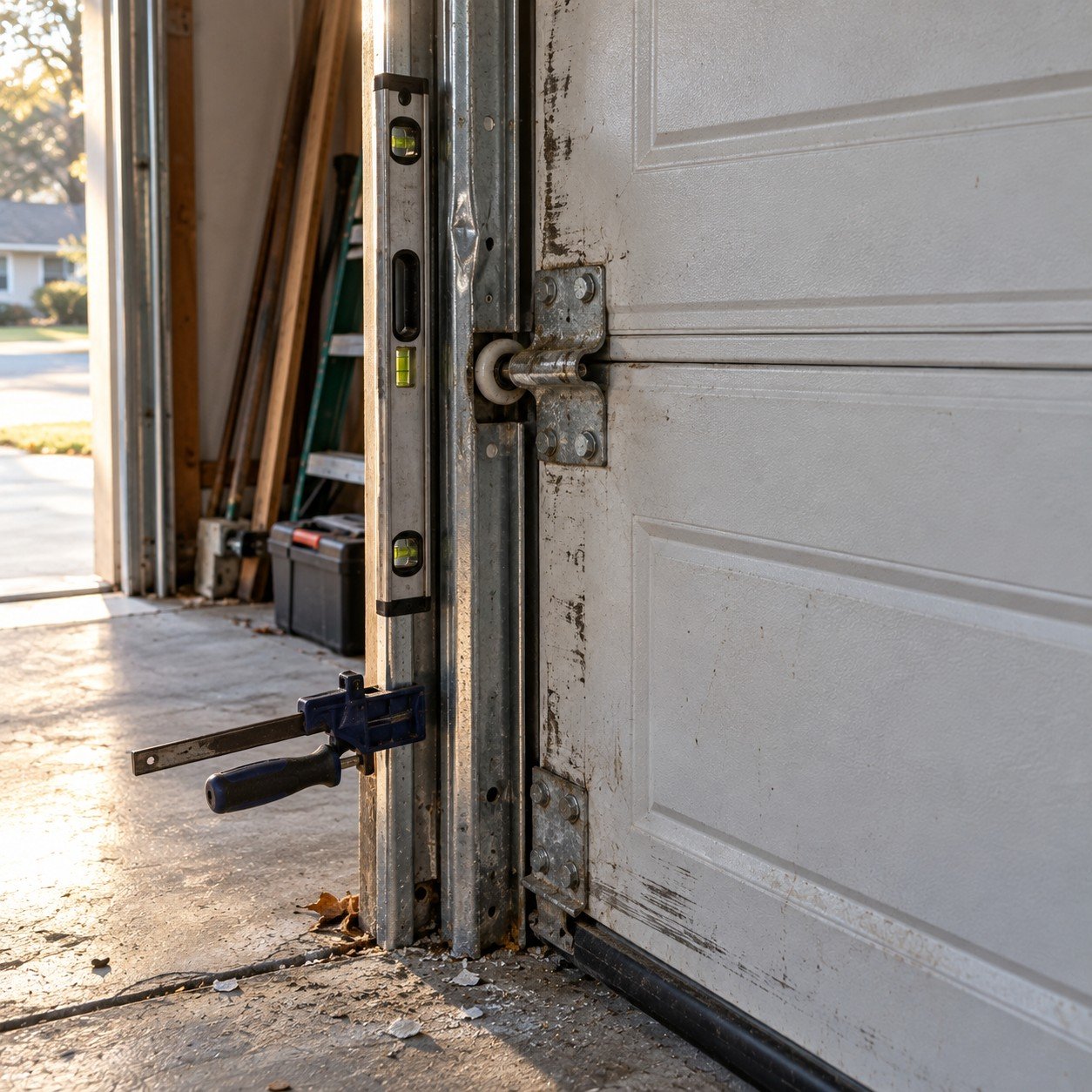
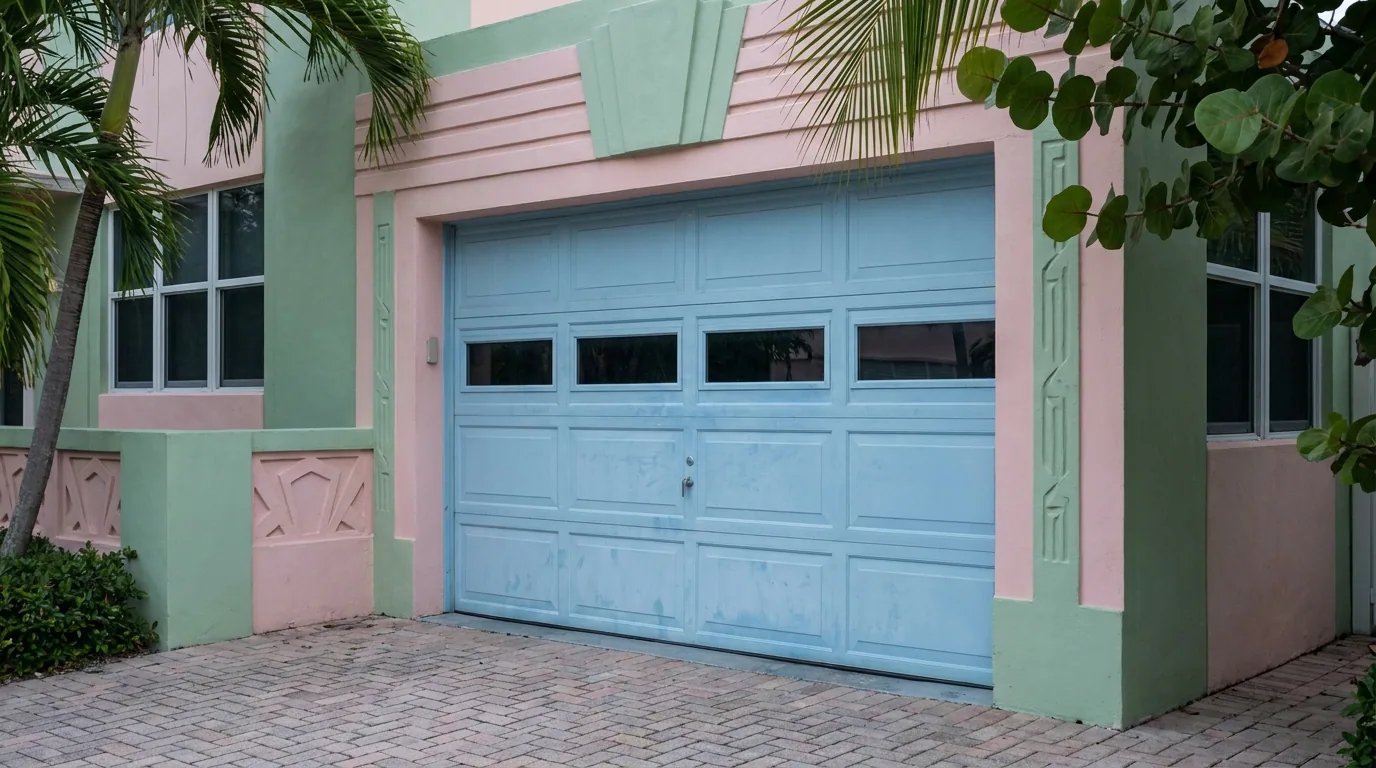
You can get a sense of your garage without operating the door. With the garage empty and the door closed, note the ceiling height and any obstructions such as lights, pipes, storage racks, or a low beam. Note the type of door: sectional, one-piece tilt-up, or something else. If the door has a track that runs close to the ceiling, that is a sign of a low-headroom setup. These observations tell you which opener categories are even possible, but a technician confirms the actual clearances and the door's balance before any unit is ordered.
Why the opener choice depends on the door's travel
An opener does not just pull the door up; it controls how the door travels along its track. In a standard sectional door, the opener arm connects to the door and pushes or pulls it along a track that carries the door up and back. In a low-headroom setup, the track may be shorter or shaped differently, and the door may not travel as far back. Some openers are designed for standard travel and will not work correctly with a low-headroom track. Others, such as certain side-mount or jackshaft openers, mount on the side of the door and turn the torsion bar directly, which can work in low-headroom garages because they do not need the same overhead space. The key is that the opener must be compatible with the door's travel and the track configuration, not just with the door's size.
Common opener types and where they fit
Belt-drive and chain-drive openers are the most common for standard residential doors. They mount above the door and use a rail to push and pull the door. In a low-headroom garage, there may not be enough space above the door for the rail and the opener head, so these may not fit. Screw-drive openers are similar in mounting but use a different mechanism; they still need overhead space. Jackshaft openers mount on the side wall next to the door and turn the torsion bar. They are often a good fit for low-headroom garages because they do not need overhead space, but they require a torsion bar and a side wall with enough room. They also require a technician to install because they connect to the torsion system. Side-mount openers are similar in concept. The right choice depends on your specific measurements and door type.
What else to check in a low-headroom garage
Low headroom is not the only factor. The door's springs and cables must be in good condition; a door that is out of balance will strain any opener. The track must be aligned and secure. The photo-eye safety sensors must be mounted correctly and aligned; in a tight space, they can be knocked out of alignment more easily. Also consider the ceiling structure: some openers need to be anchored to joists, and in a low-headroom garage the mounting points may be different. A technician can inspect the door and the space and recommend an opener that fits both the door and the garage.
If you are in Miami-Dade County and need help sorting out a low-headroom installation, call (786) 709-9487 to speak with a technician.